
The global shift toward digital-first business operations has made cloud computing one of the most resilient, high-paying sectors in the IT industry. Historically, entering this domain required years of traditional system administration or software development experience. However, the cloud ecosystem has grown so rapidly that a significant talent shortage has emerged.
Today, top-tier organizations are actively shifting their hiring paradigms. They are increasingly willing to hire entry-level professionals who demonstrate practical, hands-on capabilities, regardless of their professional background. If you have zero IT experience but possess a strong willingness to learn, building a successful cloud career is entirely achievable. This guide outlines the exact roadmap to transition from an absolute beginner to a job-ready cloud professional.
What is Cloud Computing?
Before diving into tools and technical frameworks, it is essential to understand what cloud computing actually is. In simple terms, cloud computing is the delivery of computing services including servers, storage, databases, networking, software, and analytics over the internet (“the cloud”).
Instead of buying and maintaining physical data centers, companies rent access to these resources from cloud providers on a pay-as-you-go basis.
The Three Main Cloud Models
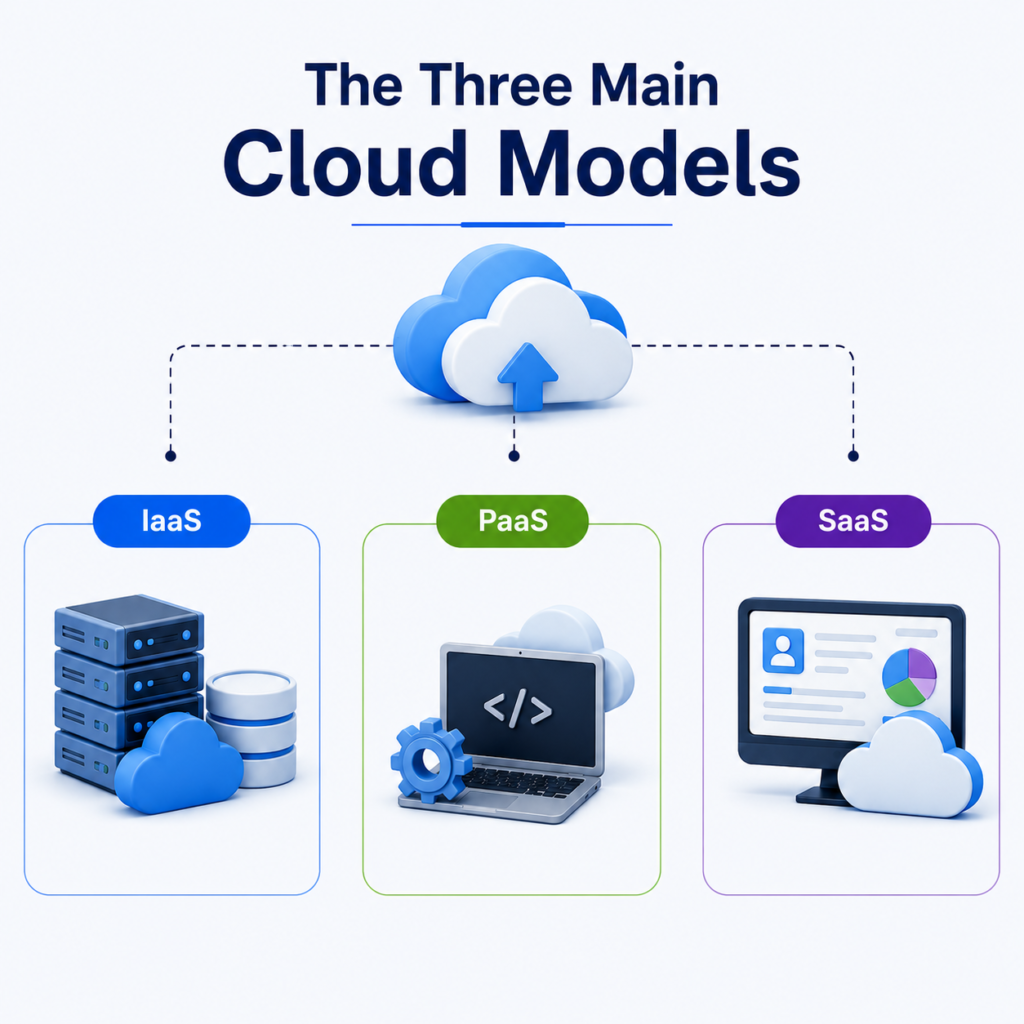
To build a strong foundation, you must familiarize yourself with the three primary service models:
- Infrastructure as a Service (IaaS): Provides fundamental computing, storage, and networking resources on demand (e.g., Amazon EC2).
- Platform as a Service (PaaS): Offers a hardware and software tools environment for building applications (e.g., AWS Elastic Beanstalk).
- Software as a Service (SaaS): Delivers complete, ready-to-use applications over the internet (e.g., Microsoft 365).
Step-by-Step Roadmap
Transitioning into the cloud without a tech background requires a structured, step-by-step approach. You cannot jump straight into advanced automation; you must build from the ground up.
Step 1: Master IT Foundations
You cannot manage cloud infrastructure if you do not understand traditional infrastructure. Before touching a cloud console, spend time learning these three foundational pillars:
- Operating Systems: Learn the basics of Linux. The vast majority of cloud servers run on Linux distributions. Master the command-line interface (CLI), file permissions, and basic scripting.
- Networking Basics: Understand how data moves across the internet. Study IP addressing, subnets, routing, DNS (Domain Name System), and firewalls.
- Virtualization: Learn how physical hardware is split into multiple virtual machines (VMs), as this forms the structural backbone of all cloud architecture.
Step 2: Choose a Cloud Provider
While there are multiple cloud platforms available, the global market is dominated by three giants. As a beginner, do not try to learn all of them simultaneously. Choose one, master its core services, and expand later.
| Cloud Provider | Market Position | Best For | Entry-Level Certification |
| Amazon Web Services (AWS) | Market Leader | Broadest adoption, extensive ecosystem | AWS Certified Cloud Practitioner |
| Microsoft Azure | Strong #2 | Enterprise environments, Windows integration | Microsoft Certified: Azure Fundamentals (AZ-900) |
| Google Cloud Platform (GCP) | Fastest Growing | Data analytics, machine learning, cloud-native apps | Google Cloud Digital Leader |
For most beginners, starting with AWS is highly strategic due to its massive market share and the abundance of learning resources available.
Step 3: Get Certified
When you have zero corporate experience, certifications serve as a vital trust signal for recruiters. They prove you possess a verified baseline of knowledge.
Begin with a foundational certificate like the AWS Cloud Practitioner, then immediately aim for an associate-level certification, such as the AWS Certified Solutions Architect – Associate. This tier tests your ability to design robust, secure, and scalable systems on the cloud, which carries genuine weight during resume screenings.
Step 4: Build Hands-on Projects
Certifications open doors, but practical proof secures jobs. To stand out, you must build real-world projects. Open a free-tier cloud account and implement practical architectures:
- Host a Static Website: Deploy a personal portfolio website using cloud storage, configure a custom domain name, and secure it with an SSL certificate.
- Automate Backups: Write a basic script that automatically backs up storage data on a scheduled interval.
- Deploy a Secure Network: Manually configure a virtual private cloud (VPC) with public and private subnets to mimic an enterprise security setup.
Document your projects on GitHub and write short summaries explaining your design choices. This portfolio acts as your proxy experience during interviews.
DevOps and Cloud Connection
As you progress in your cloud journey, you will realize that cloud computing does not exist in a vacuum. It relies heavily on methodologies that streamline software delivery and infrastructure management.
To maximize your market value, consider expanding your skill set into infrastructure automation. Understanding core automation methodologies, container tools, and continuous integration concepts will significantly elevate your resume. Transitioning into advanced automation environments bridges the gap between basic cloud administration and advanced infrastructure engineering, paving the way for high-paying roles like Cloud DevOps Engineer or Site Reliability Engineer (SRE).
Actionable Takeaways
- Consistency Over Intensity: Dedicate 1 to 2 hours every day to learning rather than cramming for 10 hours only on weekends.
- Emphasize Soft Skills: Technical teams value communication, problem-solving, and adaptability. Emphasize how your past non-technical experience makes you a great collaborator.
- Network with Professionals: Join local tech meetups or engage with cloud communities online to discover unadvertised entry-level roles.
Frequently Asked Questions (FAQ)
1. Can I learn Cloud Computing without any prior IT experience?
Yes. While having an IT background helps, the cloud ecosystem has created entry points for beginners. By systematically mastering foundational IT pillars (Linux, networking) before diving into a specific cloud platform, non-technical individuals can successfully transition into cloud roles.
2. Which cloud provider certification should I choose first?
For most beginners, AWS (Amazon Web Services) is recommended. It commands the largest global market share, meaning there are significantly more entry-level job openings and free training resources available compared to other platforms.
3. Are certifications enough to land a cloud computing job?
Certifications help pass corporate resume screenings, but they rarely guarantee a job on their own. Recruiters look for a hands-on portfolio. You must back up your certifications with practical projects hosted on GitHub to prove you can apply your knowledge to real infrastructure.
Conclusion
Ready to start your cloud computing career? Build a strong foundation in Linux, networking, and AWS while gaining practical experience through live projects and certification guidance. With structured training, hands-on labs, and interview preparation, you can confidently transition into an entry-level cloud role and begin a rewarding career in the IT industry.
About MNP Technologies
At MNP Technologies, we specialize in helping aspiring professionals bridge the gap between academic theory and real-world corporate expectations. Through structured, hands-on learning paths led by experienced industry mentors, we provide the foundational knowledge, practical labs, and comprehensive placement assistance necessary to break into today’s competitive IT landscape.